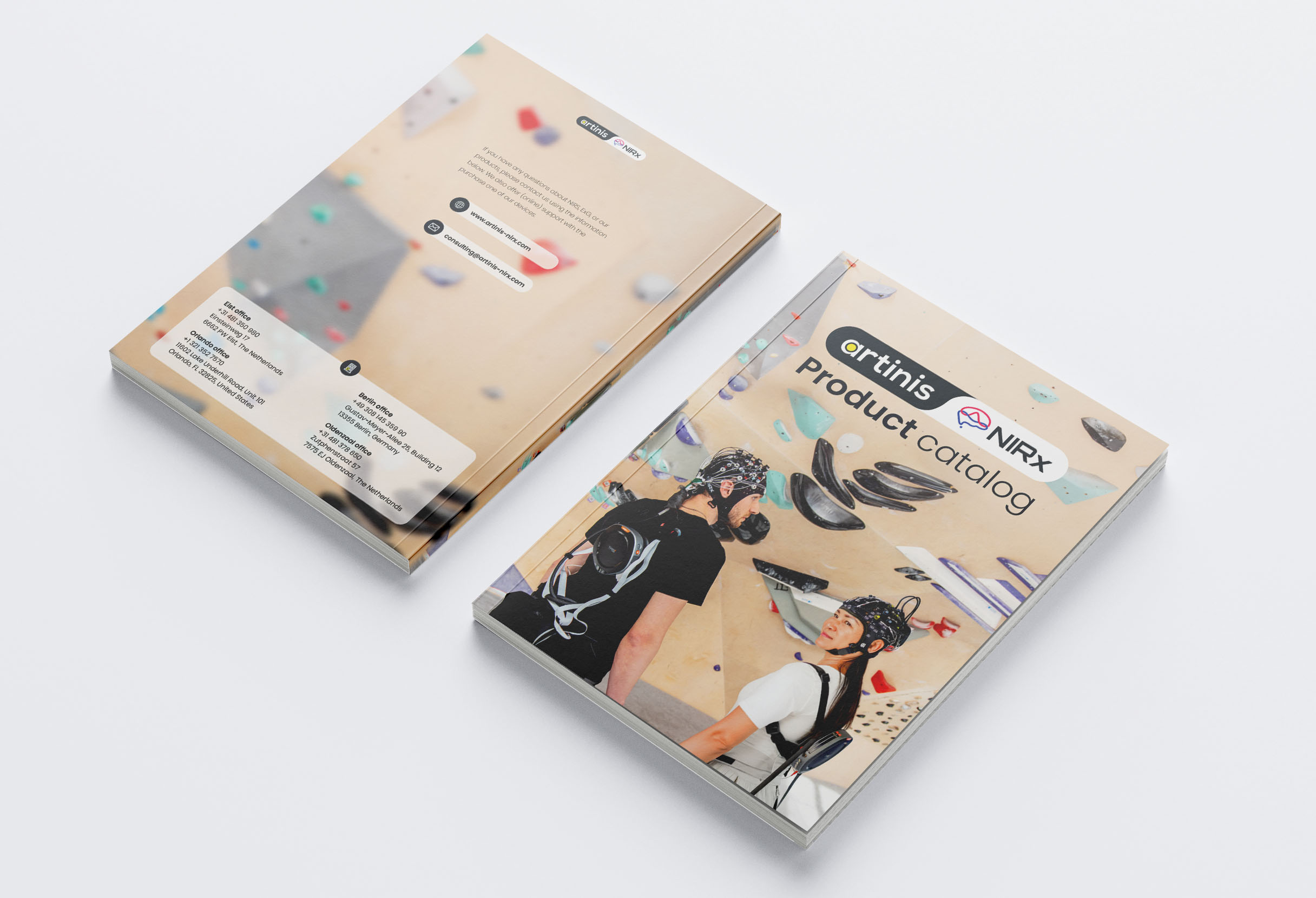
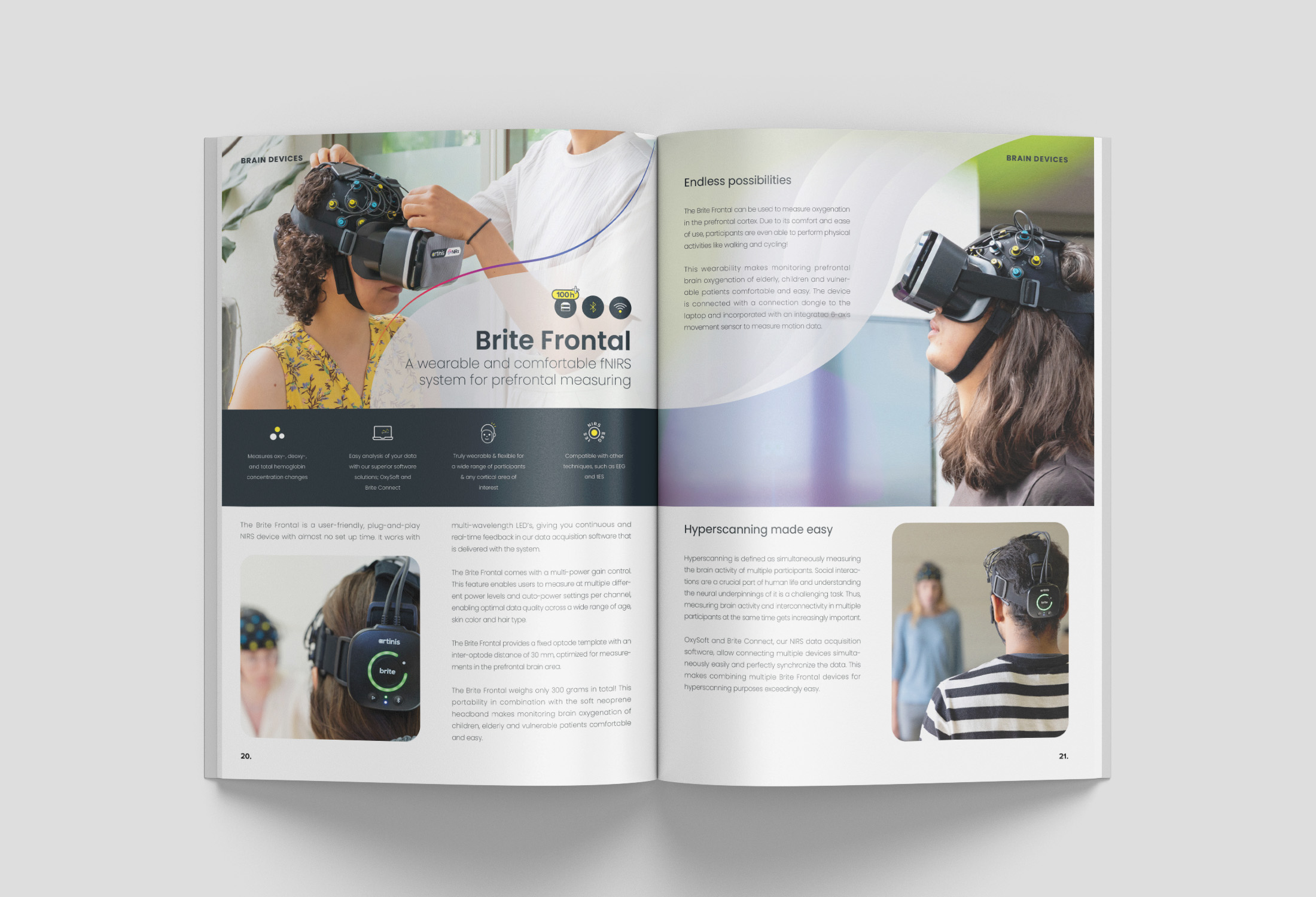
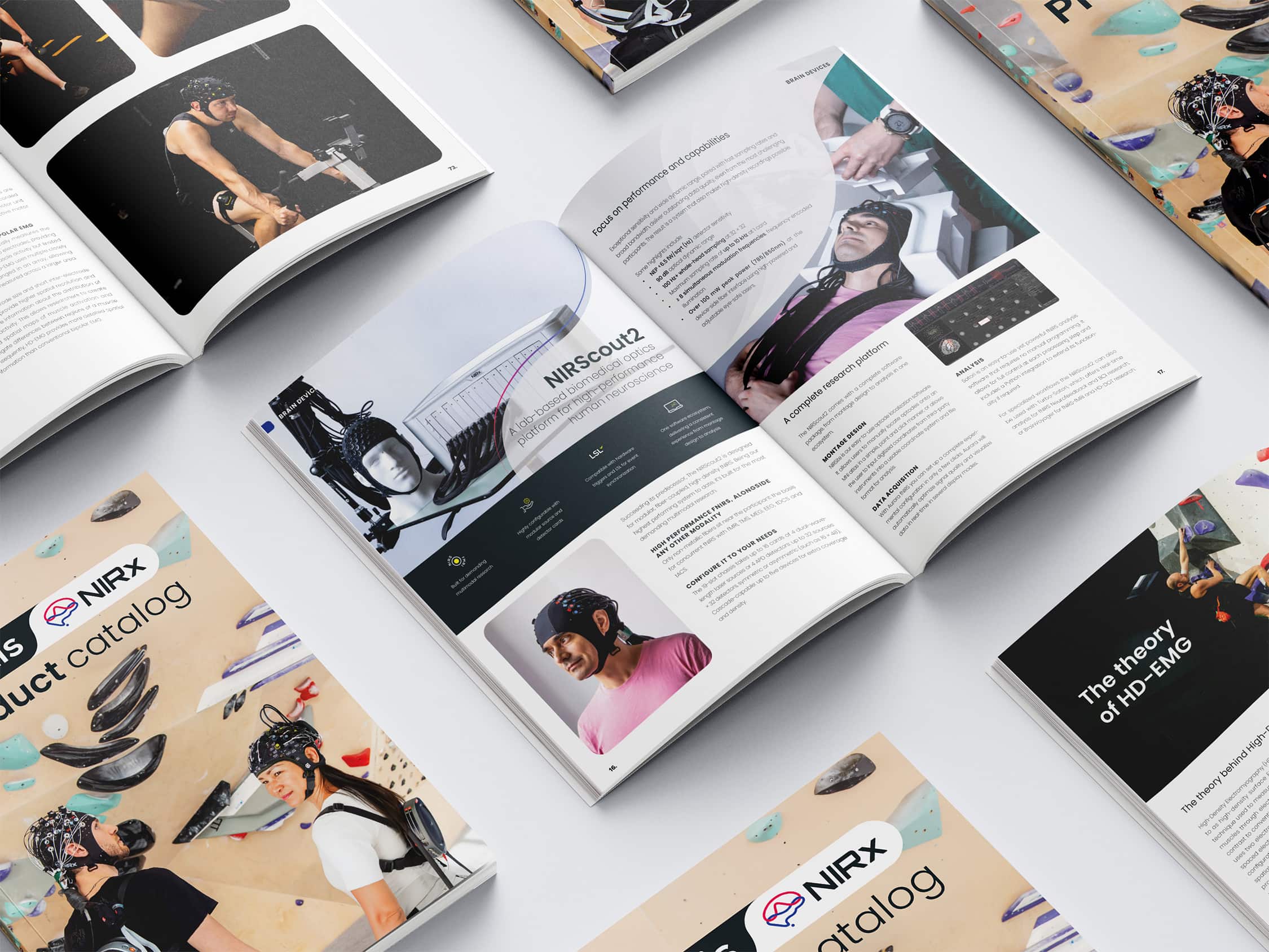
After an international partnership was formed between Artinis Medical Systems and NIRx, there was a need for better internal communication and ways to share information with the other locations. At the same time, the marketing team I was part of was working hard on a new brand identity and the first external communications. My assignment was to create a catalog that brought together the partnership’s entire portfolio, so that it could be used both internally and externally as an overview of what we offer.
The catalog brought together two companies, half of whose offerings and colleagues were new to me. For the sake of efficiency, the content was to be sourced from existing printed materials. I didn’t yet have access to these, and there were no clear lines of communication: at this point, it was unclear who had which role and how I could reach them. The challenge turned out not to be in the design itself, but in connecting with colleagues from other cultures and initiating a collaboration. Throughout this process, I often made the initial contact with new colleagues and figured out who I needed to approach for the next step. Meanwhile, I designed the structure of the catalog, building on the brand identity that we were developing at the same time in the marketing team. For products for which no usable images were available, I took new photos or edited existing ones.
In the end, I was able to gather all the necessary information and coordinate with the eleven people in charge. The result was a 136-page catalog that brought together all the information about the partnership: the collaboration, products with USPs and accessories, the theory behind the techniques, and an overview of the distributors with contact information and specializations. The work was praised by the management team and used internally as a resource for other projects, including a unified website. Printed catalogs were distributed internationally to offices and distributors.
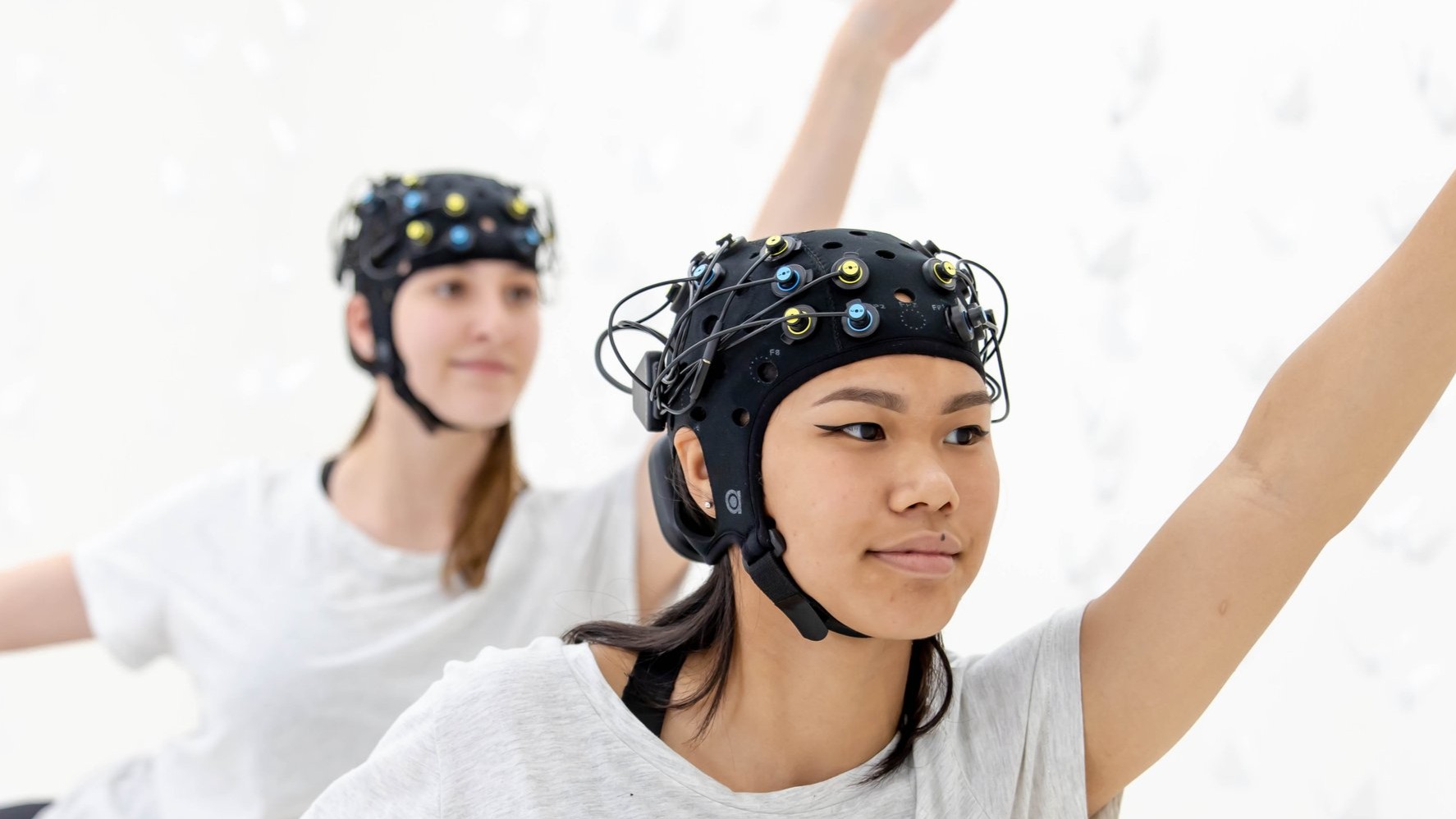
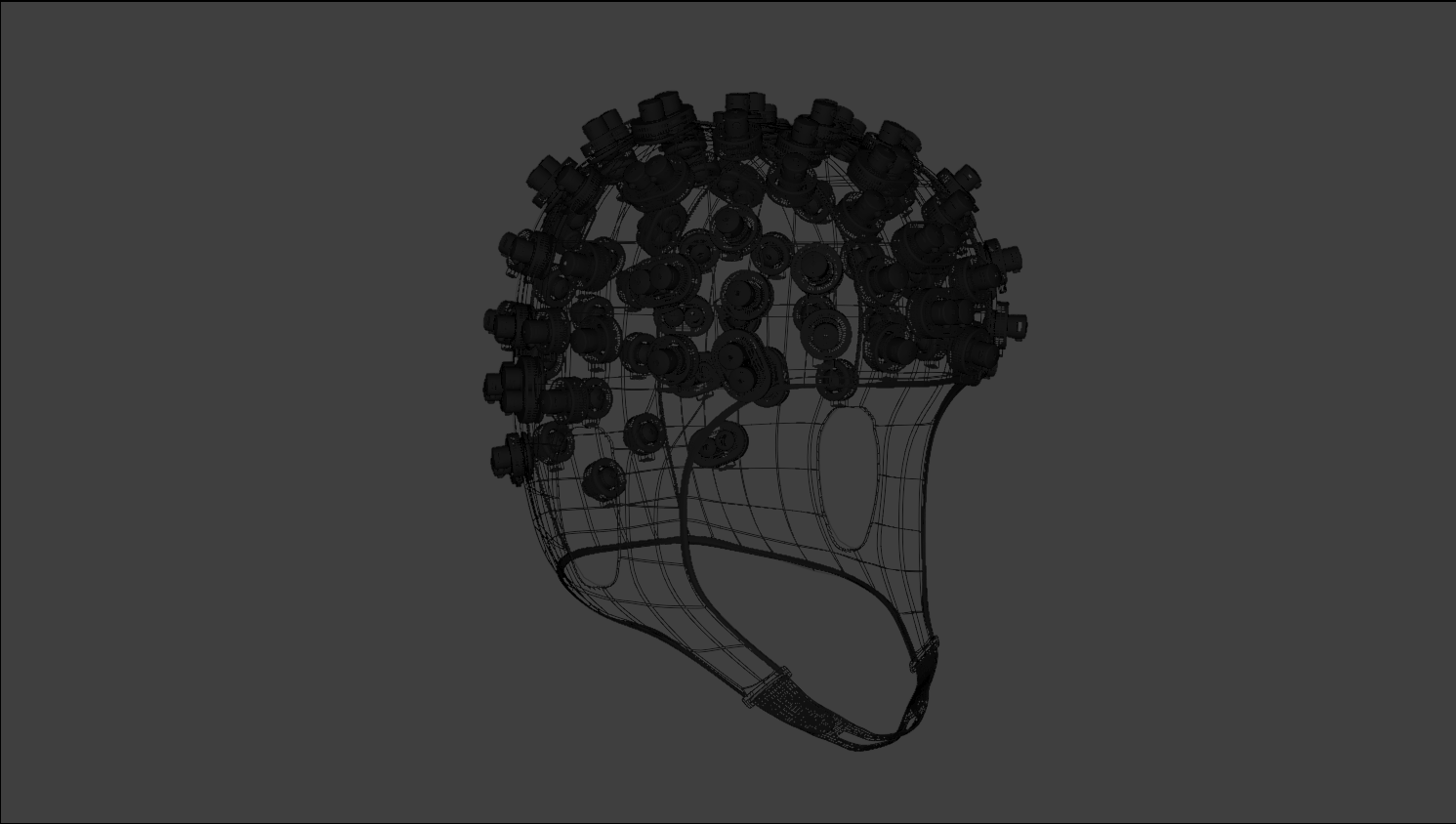
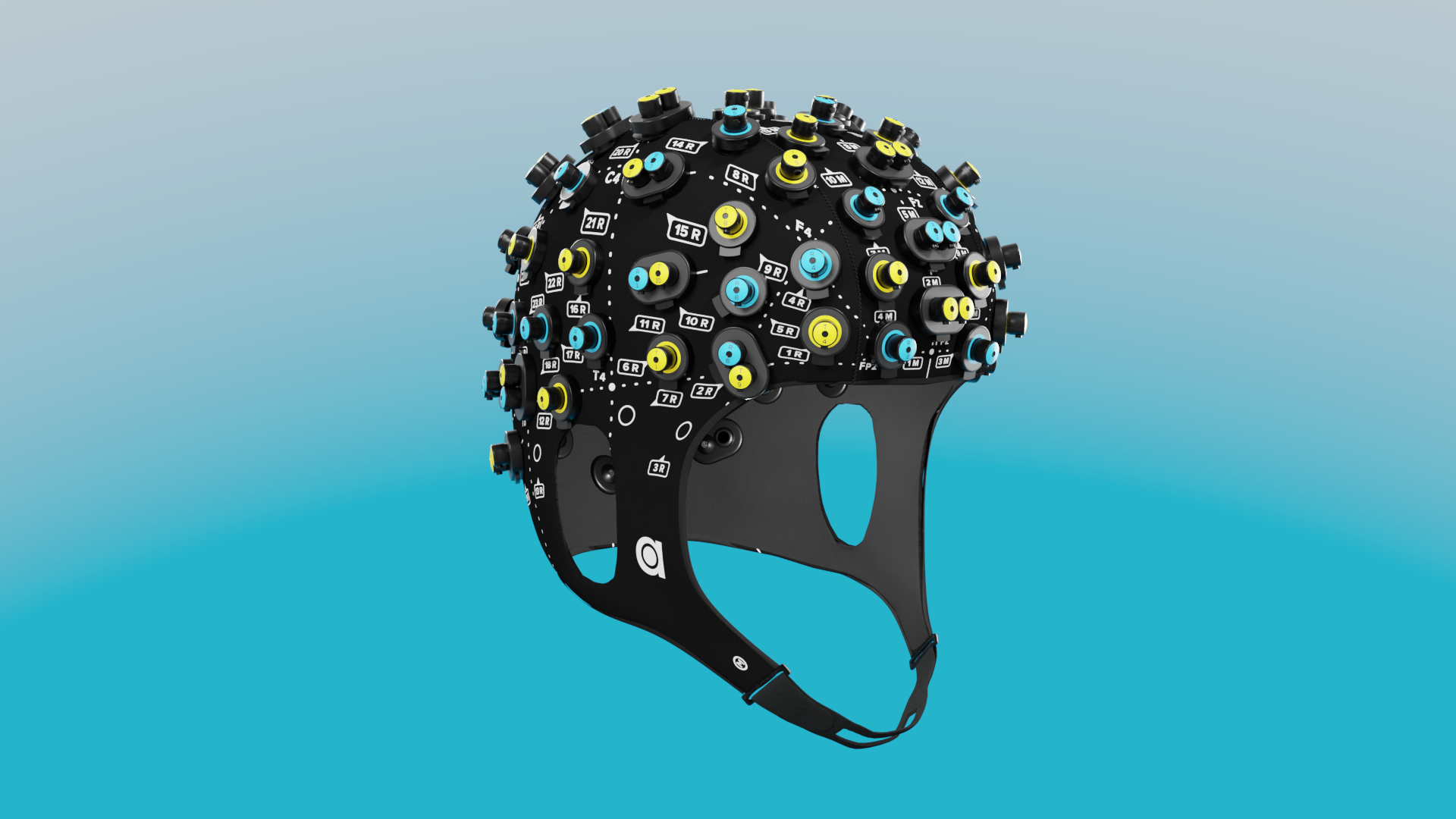
Artinis Medical Systems offers a device for measuring brain activity, consisting of a control unit and sensors that are attached to a head cap. A digital version of this was needed for software and marketing purposes. Precision was a key priority, as the markers have specific locations, orientations, and sizes. The relative scale of all components also had to remain consistent with one another and with reality.
I made the helmet and sensors by hand. For the control unit, I converted the production CAD file into a format compatible with Blender and then manually refined it.
To recreate the helmet—the biggest challenge—I tried several different methods. Ultimately, I built the model out of three separate pieces, just like the real helmet, and then assembled them. This ensured that the markings remained accurate and the overall shape of the helmet was realistic.
The digital device and the headgear were delivered in two versions: one with a photorealistic look for marketing purposes, and a “minimal” JSON version optimized for use on the web and in apps.
The optimized version has since been implemented in several software applications and as an interactive image on the company’s website.
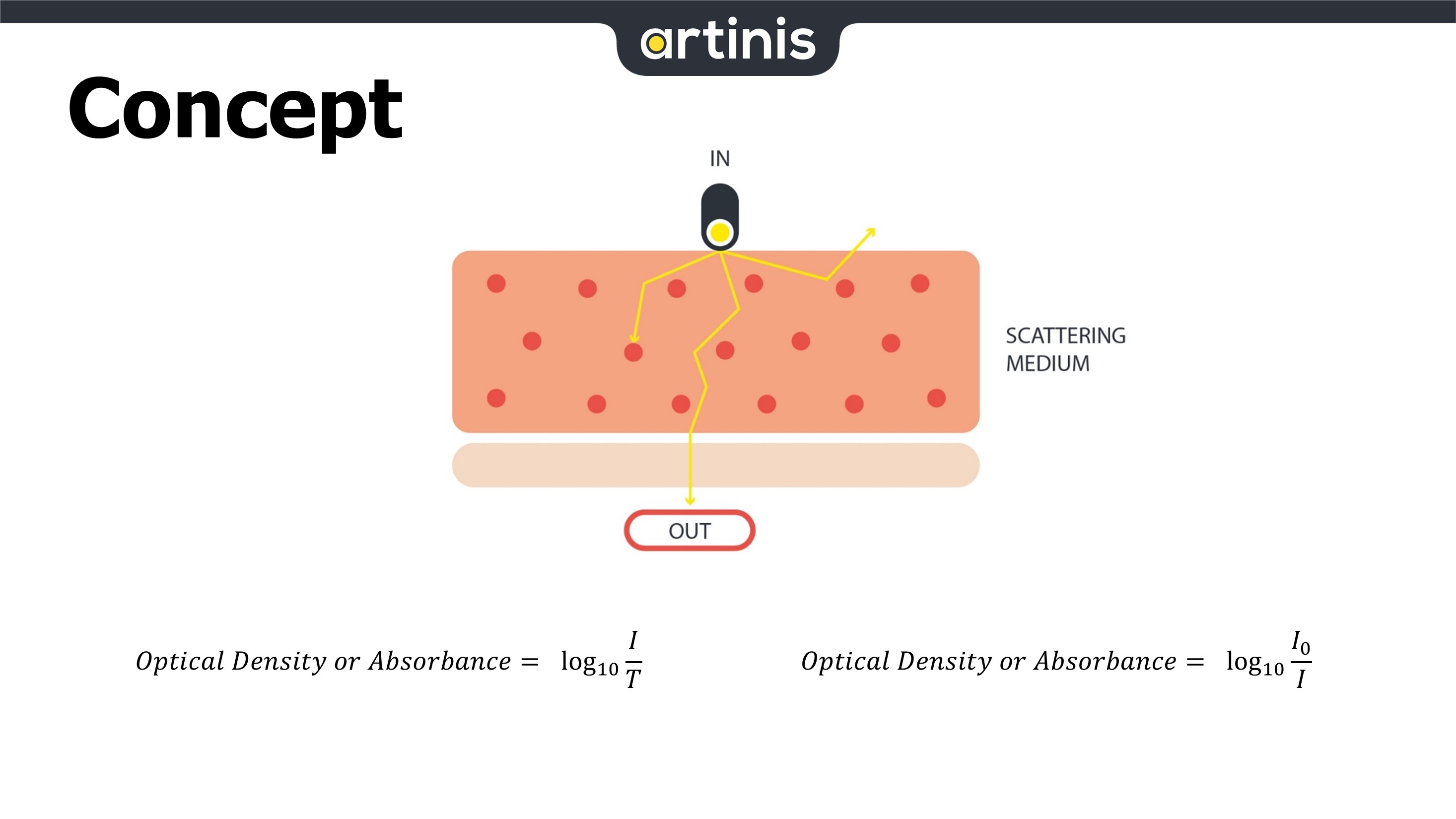
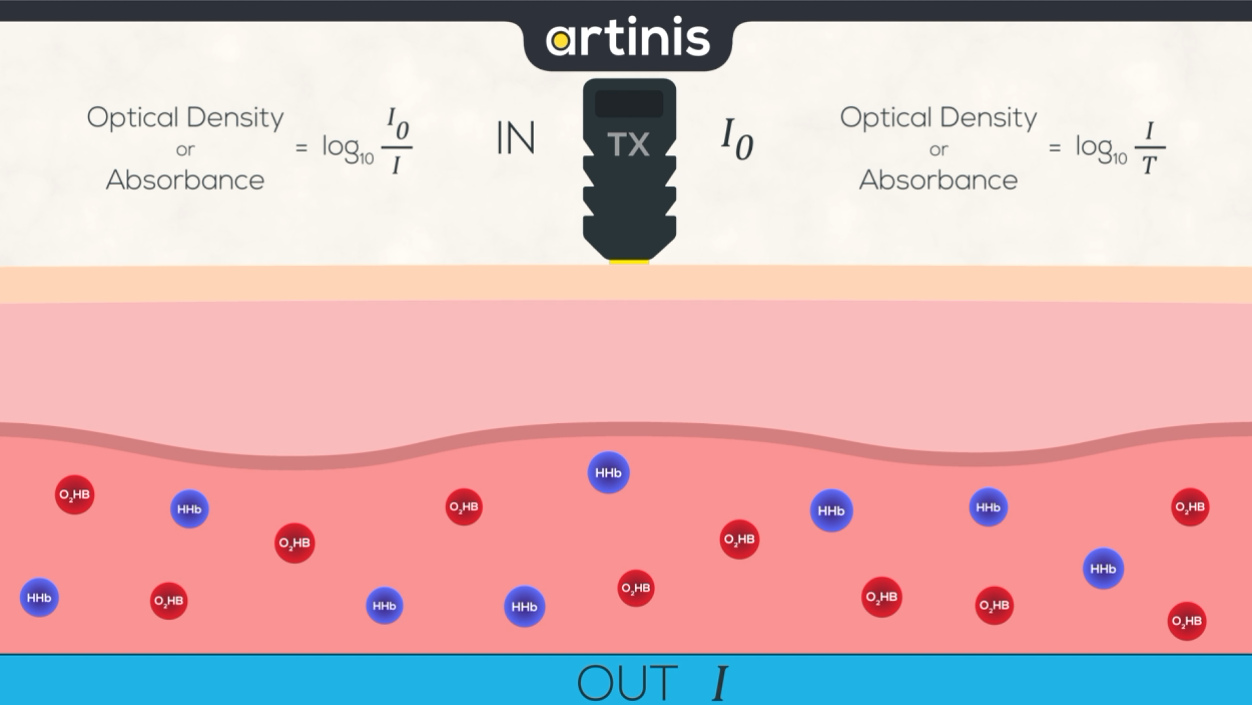
Artinis Medical Systems wanted to help scientists new to the field of Near-Infrared Spectroscopy (NIRS) and other interested parties understand the theory. This relatively new technology is used in Artinis Medical Systems’ devices. The series of presentations is intended to help raise awareness of the technology and educate potential future customers.
Since the theory operates on a microscopic scale and is quite abstract, I recommended creating an animation. In collaboration with an expert in the field of NIRS, we developed an initial script and concept. We had to ensure that the visualization was not only accurate but also understandable and engaging enough for a broad audience. Using mood boards and storyboards, I opted for a mixed-media style commonly used for “explainer” animations on the Vox YouTube channel.
Based on the script, we recorded voiceovers, and I created two animations. The videos have been used in blogs, on social media, and at conferences, and have now been viewed more than 17,000 times on YouTube.
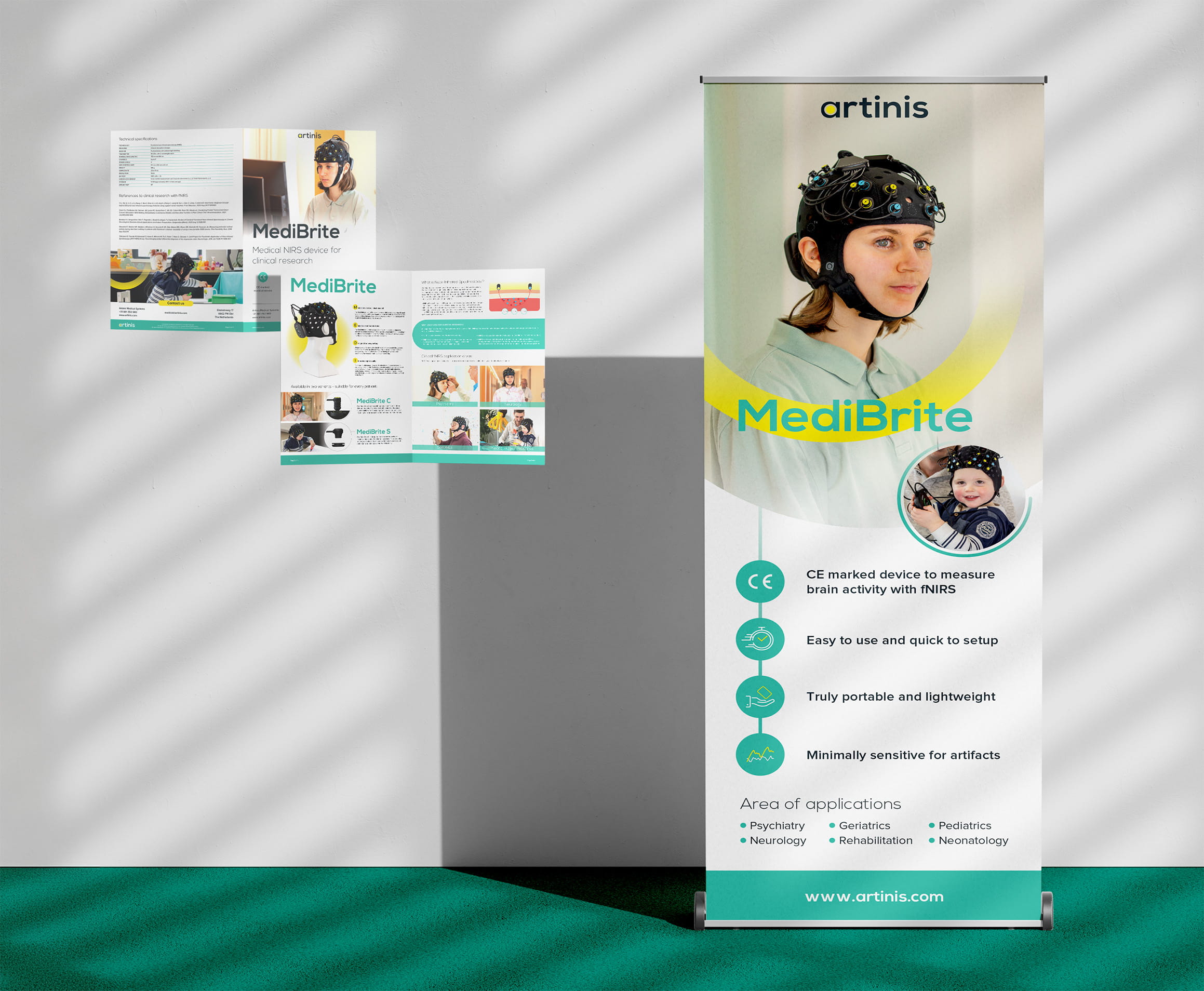
Artinis introduced the MediBrite, the company's first medically certified NIRS device. A marketing campaign was designed to highlight three key strengths that set it apart from the competition: flexibility, comfort, and portability.
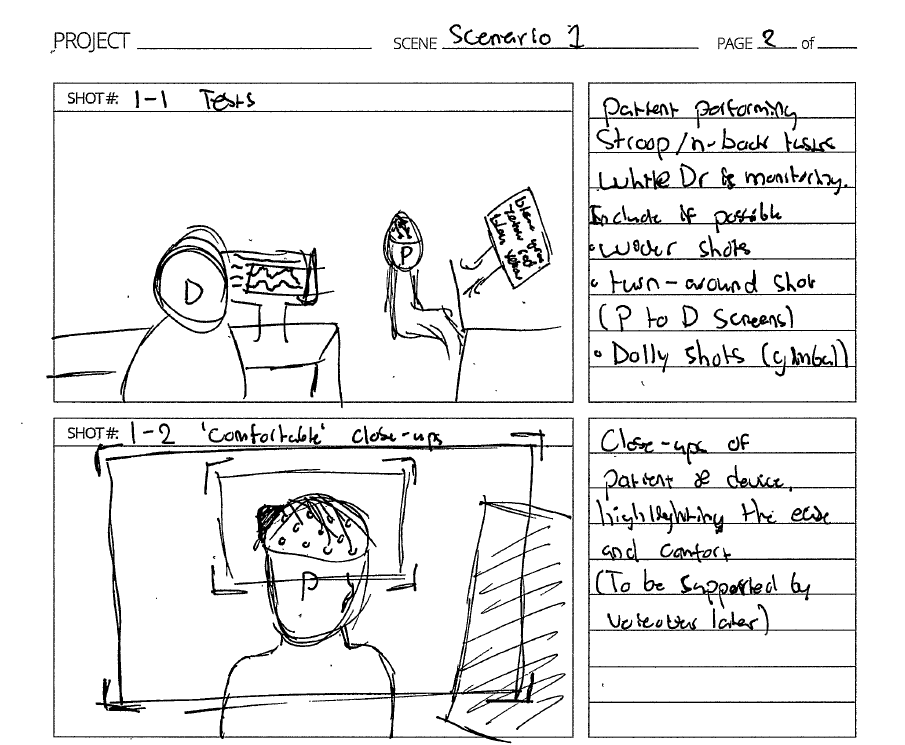
We developed the concept together as a marketing team. The campaign was built around a video and photo shoot, filmed at Radboud University Medical Center in Nijmegen. I developed the concept, script, and storyboard for the video myself, with feedback from the team. This was thoroughly thought out, because we only had one day for the shoot and no room for surprises. On the day of the shoot, my role was to direct based on the storyboard, film the videos, and assist with the photography.
After the shoot, I edited the introductory video and some of the photos. I then used the photos to create a webpage and printed materials for conferences. The video was uploaded to YouTube and, after a few tweaks, shared on social media. All of this resulted in a cohesive launch with a clear message.
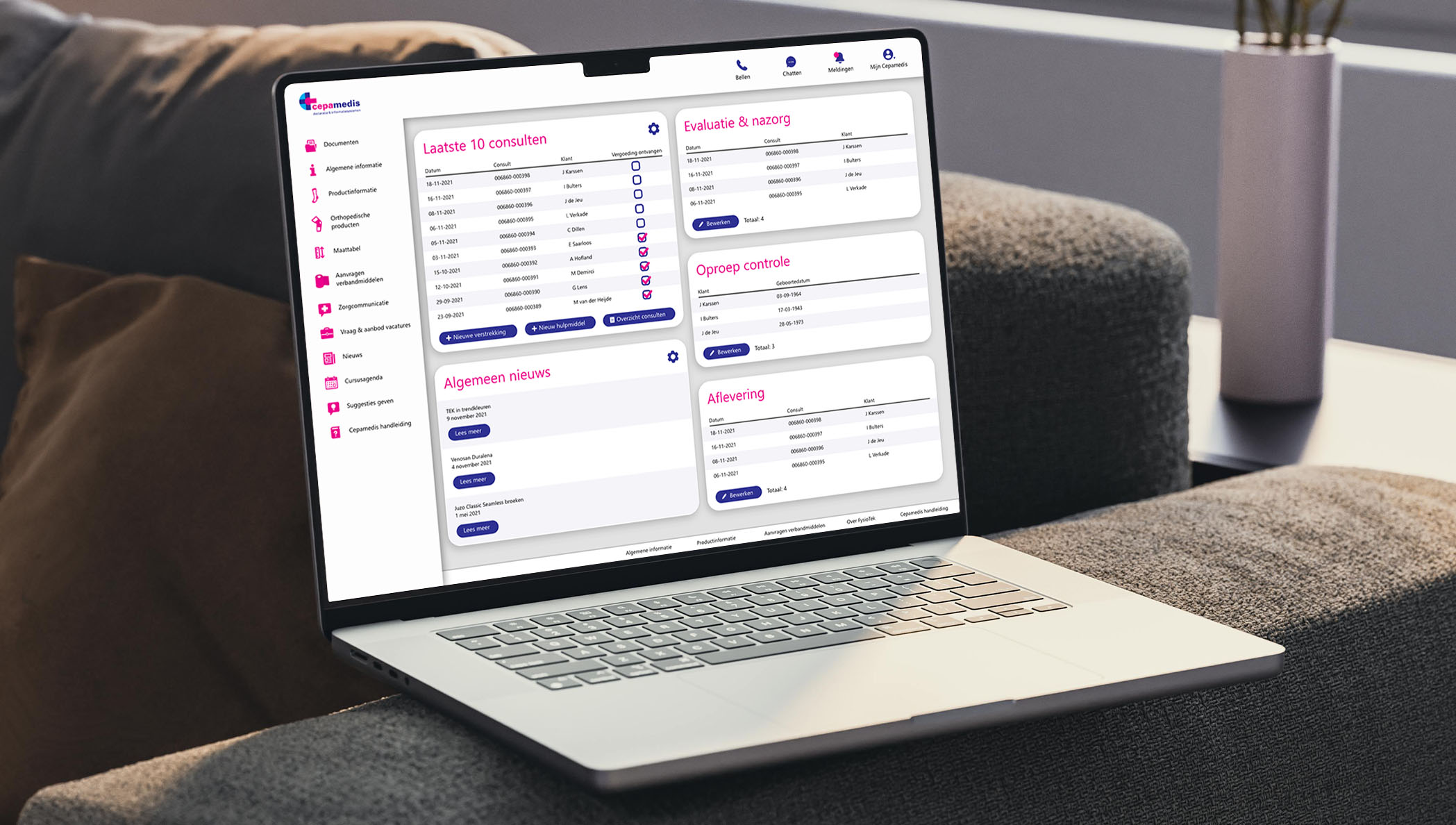
FysioTek is a supplier of specialized products to affiliated physical therapists. The company already had a strong customer base and wanted to further strengthen its position in order to retain these customers.
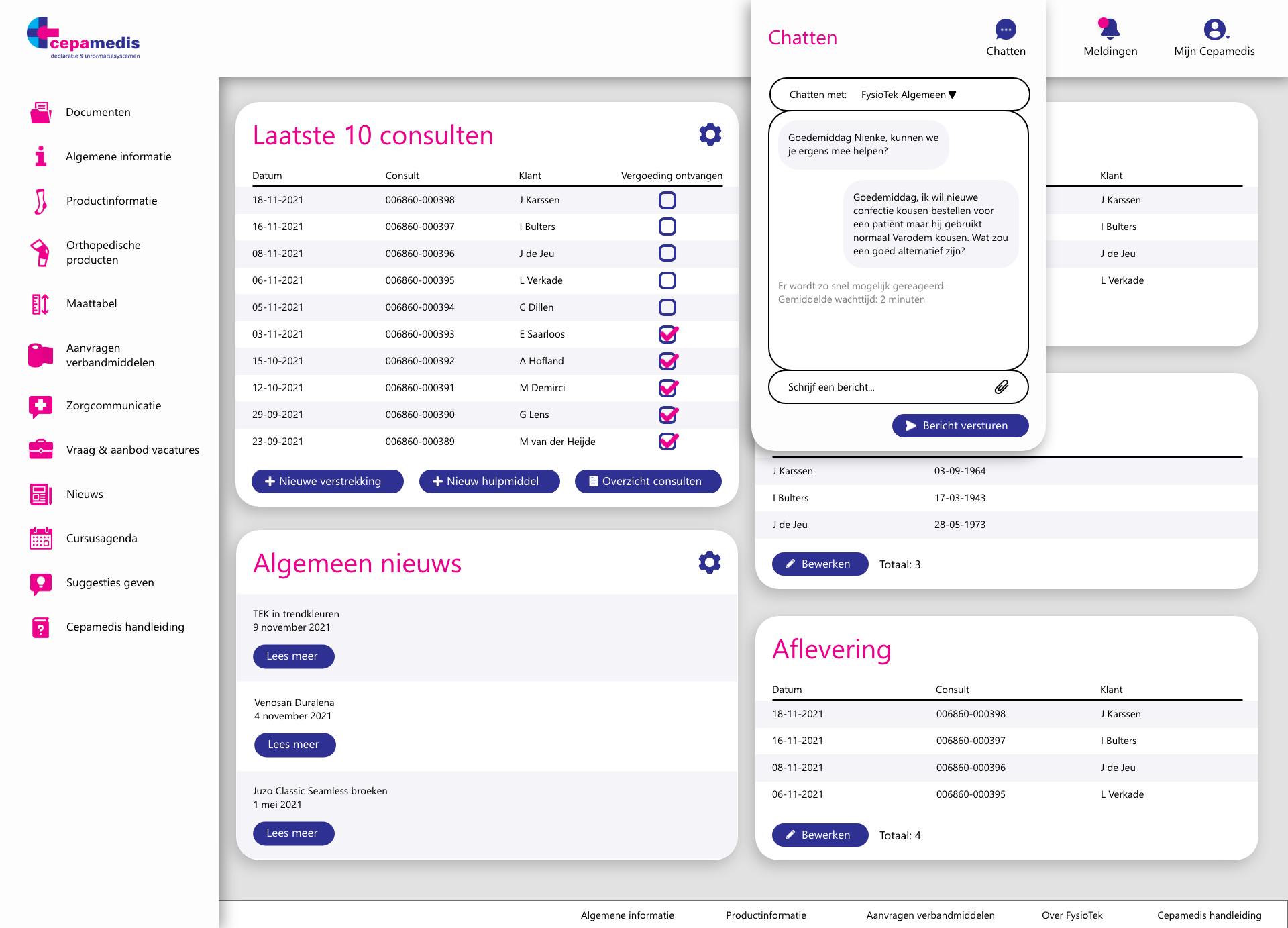
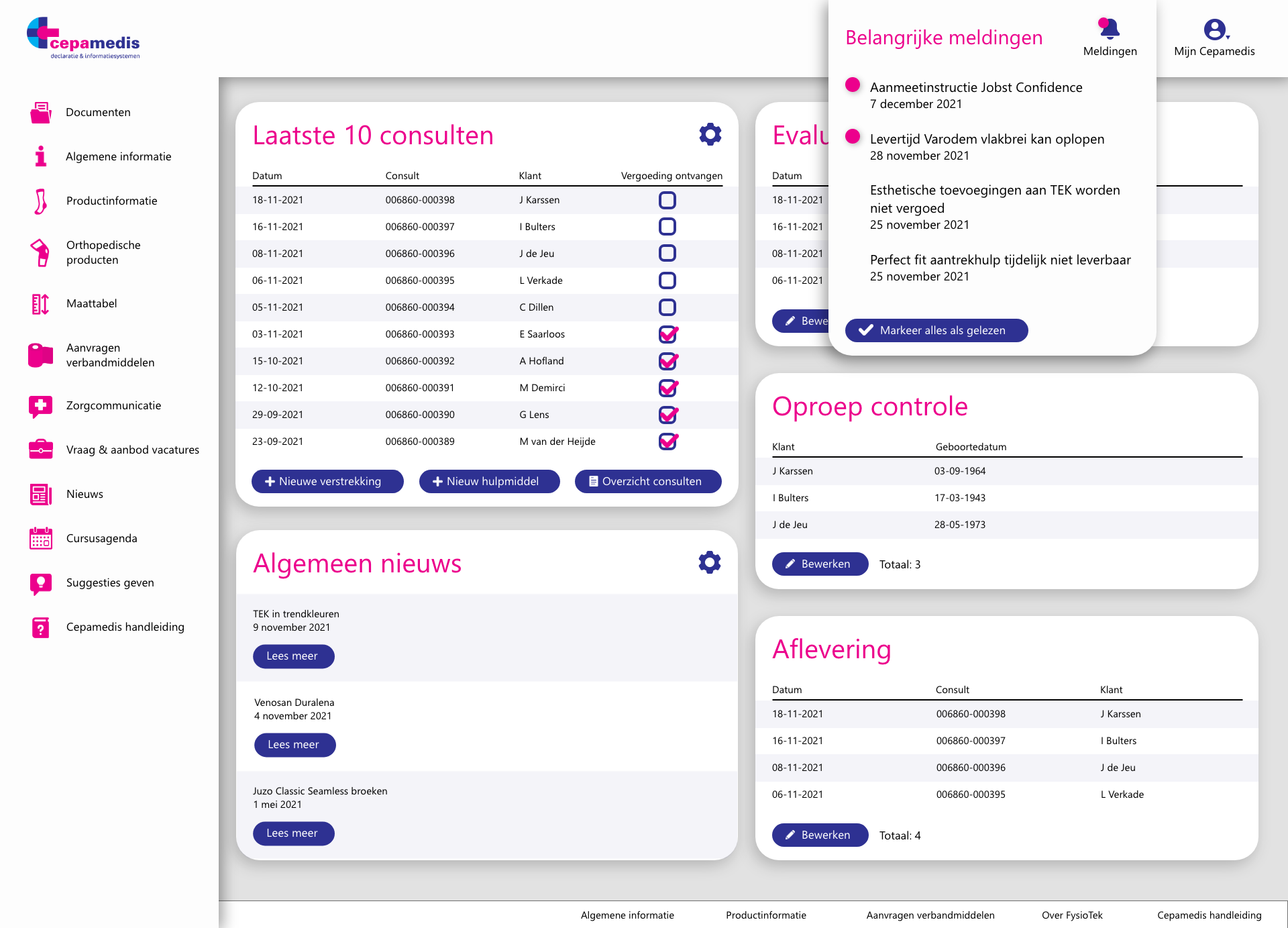
During the research phase, it quickly became clear that improving the user-friendliness of Cepamedis—FysioTek’s proprietary dashboard application where therapists order products and track aftercare on a daily basis—would offer significant opportunities for customer retention.
Through one-on-one interviews, I learned more about the therapists’ experiences with the platform and their current pain points. More personal interaction and personalization emerged as their top priorities. Based on this, I created a concept that was later tested by the same group.
The prototype, featuring new communication functions and a customizable dashboard, was well received. Based on user testing, two additional iterations were developed to address areas for improvement. The latest prototype allows therapists to determine how much information they see at a glance, in response to mixed opinions about the information density in earlier iterations. The prototype, along with documentation and recommendations, was handed over to FysioTek for further implementation.
Use the form below, or email nf.mencke@gmail.com directly
